Fortune Tells

Jan. 20, 2021

6 Main Types of Mortgages - How to Choose the Best Mortgage?


Buying a home is exciting but the financing side of things can feel overwhelming. 

Before there were only three mortgage loan types a home buyer can choose from. Buyers could get a fixed-rate conventional mortgage, an FHA loan, or a VA loan. But now, loan types have evolved into a dizzying array of options. 

Here are the Six Main Mortgage Types.

1. Conventional Mortgages

A conventional loan is a loan that is not backed by the federal government. Borrowers with good credit, stable employment and income histories, and the ability to make a 3% down payment can usually qualify for a conventional loan.

2. Conforming Mortgage Loans

Conforming loans are bound by maximum loan limits set by the federal government and vary by geographic area.

3. Nonconforming Mortgage Loans

These types of loans are riskier to a lender, so borrowers typically must show larger cash reserves, make a down payment of 10% to 20% (or more), and have strong credit.

4. Government-Insured Federal Housing Administration (FHA) Loans

Low-to-moderate-income buyers purchasing a house for the first time typically turn to loans insured by the FHA when they can’t qualify for a conventional loan.

5. Government-Insured Veterans Affairs (VA) Loans

The U.S. Department of Veterans Affairs (VA) guarantees home buyer loans for qualified military service members, veterans, and their spouses. 

6. Government-Insured U.S. Department of Agriculture (USDA) Loans

USDA loans are best for homebuyers in eligible rural areas with lower household incomes, little money saved for a down payment, and can’t otherwise qualify for a conventional loan product.

Take it from me as a seasoned real estate professional, it will be advantageous to pursue financing before you get serious about looking at homes and making offers. You will also be taken more seriously by sellers if you have a preapproval letter in hand.

If you're already preapproved and ready to start your search, click here to contact me today. Let's go find the home of your dreams.


Jan. 19, 2021

Why NOW Is The Best Time To Sell Your Home

The housing market made an incredible recovery in 2020 and is now positioned for an even stronger year in 2021. Record-low mortgage interest rates are a driving factor in this continued momentum, with average rates hovering at historic all-time lows.

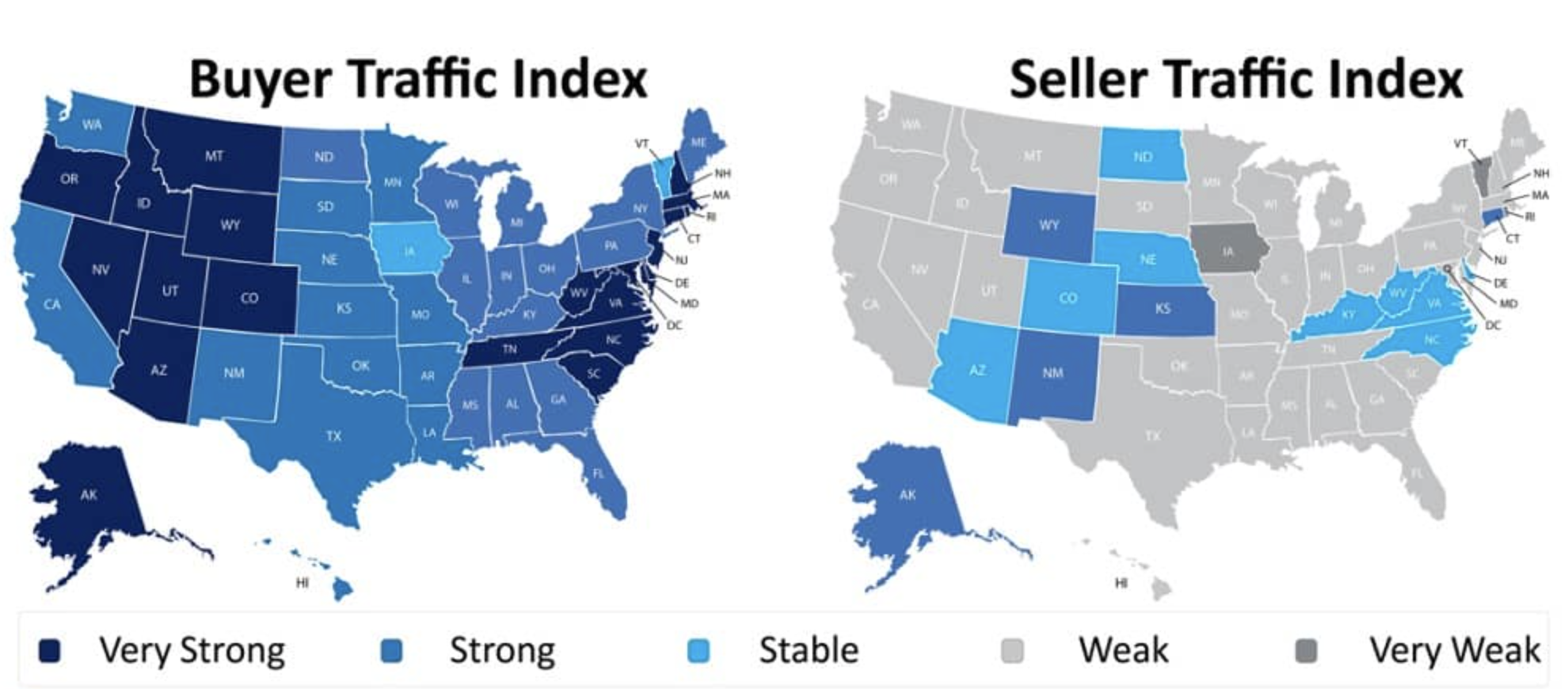
According to the latest Realtors Confidence Index Survey from the National Association of Realtors (NAR), buyer demand across the country is incredibly strong. That’s not the case, however, on the supply side. Seller traffic is simply not keeping up. Here’s a breakdown by state:


As the maps show, buyer traffic is high, but seller traffic is low. With so few homes for sale right now, record-low inventory is creating a mismatch between supply and demand.

NAR also just reported that the actual number of homes currently for sale stands at 1.28 million, down 22% from one year ago (1.64 million). Additionally, inventory is at an all-time low with 2.3 months supply available at the current sales pace. In a normal market, that number would be 6.0 months of inventory – significantly higher than it is today.

What does this mean for buyers and sellers?

Buyers need to remain patient in the search process. At the same time, they must be ready to act immediately once they find the right home since bidding wars are more common when so few houses are available for sale.

Sellers may not want to wait until spring to put their houses on the market, though. With such high buyer demand and such a low supply, now is the perfect time to sell a house on optimal terms.

Bottom Line

The real estate market is entering the year like a lion. There’s no indication it will lose that roar, assuming inventory continues to come to market.

If you're still on the fence about selling, click here to email me your immediate market questions. I'd be happy to discuss your options.


Jan. 10, 2021

How To Attract Millennial Homebuyers In 7 Steps

According to the National Association of Realtors, millennials still make up the largest share of home buyers at 38%.

As more millennials pursue homeownership, it is important to design your home the way it will attract multiple offers from this demographic. But how? Most importantly, how much will it cost you?

Here are some of the simple and affordable upgrades, that will attract millennial homebuyers and sell your home quickly. 

1. Updating Your Kitchen and Bathroom

The majority of younger buyers most likely won’t have the money or time to redo a kitchen and bathroom. Millennial homebuyers will be looking for an updated kitchen and/or bathroom.

2. Creating an Open Floor Plan

Millennials are attracted to large spaces that can be used to entertain guests or as multi-functional rooms. You may consider tearing down a wall or two to create a more open look. 

3. Choosing Low-Maintenance Materials

Millennial homebuyers don’t want to spend their time on significant repairs, home-maintenance, or even cleaning their homes. They prefer things that will last and are easy to maintain.

4. Adding Smart Home Technology 

Many millennial homebuyers are interested in looking at homes that can manage all their home's internal software from one hub or app. 

5. Installing Energy Efficient Appliances 

Younger homebuyers want appliances designed to help reduce power consumption, reduce environmental impact, and contribute to a healthier planet. 

6. Adding a Home Office 

Creating this space allows these millennial homebuyers to have a designated area where they will be able to work from home easily and comfortably. 

7. Painting your Home 

If you need to freshen up your paint and want to appeal to millennial homebuyers, opt for neutral colors on walls, trim, and baseboards. Colors such as light grey, cream, and other soft neutrals are preferred.

Click here to email me directly. I would be delighted to help you get your home millennial ready!


Jan. 9, 2021

5 Reasons Why Working With A Real Estate Professional Is The Smartest Thing You Can Do


If you are not sure if you can do it on your own, here are five reasons why you should work with a real estate professional.


1. They are the experts


Real estate has its own language, full of acronyms and jargon. Plus, buying or selling a home usually requires dozens of forms, reports, and other technical documents. Your realtor is trained to speak the language and take care of all the paperwork for you.


2. They have amazing searching power


The internet is awesome and you can find everything on it. Guess what? Realtors have access to even more market activity and can help you find those hidden gems.


3. They master the art of negotiation


Negotiation and haggling will always be part of buying and selling. And it's not just about how much money you end up spending or netting. A Realtor will go to bat for you and get you the best possible purchasing scenario. 


4. They have a great network


Realtors are almost connected to everyone. Mortgage brokers, real estate attorneys, home inspectors, home stagers, interior designers - everyone who can help in the process.


5. They screen unqualified buyers


Real estate professionals are trained to ask qualifying questions to determine the qualification, motivation of a prospect, and how serious they are in buying a property.


The bottom line, selling or buying a property is risky. It will likely be one of the biggest transactions of your life. Make sure you rely on an expert like myself to streamline your transactional process.


Click here to get started today!

Jan. 7, 2021

The Top 3 Things To Do When Selling Your Home In 2021

It’s exciting to put a house on the market and to think about making new memories in new spaces. However, despite the anticipation of what’s to come, we can still have deep sentimental attachments to the home we’re leaving behind. Growing emotions can help or hinder a sale depending on how we manage them.

When it comes to the bottom line, homeowners need to know what it takes to avoid costly mistakes when it’s time to move. Being mindful and prepared for the process can help you stay on the right track when selling your house this year.

1. Price Your Home Right

When inventory is low, like it is in the current market, it’s common to think buyers will pay whatever we ask when setting a listing price. Believe it or not, that’s not always true. Don’t forget that the buyer’s bank will send an appraiser to determine the fair value for your house. The bank will not lend more than what the house is worth, so be aware that you might need to renegotiate the price after the appraisal. A real estate professional will help you set the true value of your home.

2. Keep Your Emotions in Check

Today, homeowners are living in their houses for a longer period of time. Since 1985, the average tenure, or the time a homeowner has owned their home, has increased from 5 to 10 years.

This is several years longer than what used to be the historical norm. The side effect, however, is when you stay in one place for so long, you may get even more emotionally attached to your space. If it’s the first home you bought or the house where your children grew up, it very likely means something extra special to you. Every room has memories, and it’s hard to detach from the sentimental value.

For some homeowners, that makes it even harder to negotiate and separate the emotional value of the house from the fair market price. That’s why you need a real estate professional like myself to help you with the negotiations along the way.

3. Stage Your Home Properly

We’re generally quite proud of our décor and how we’ve customized our houses to make them our own unique homes, but not all buyers will feel the same way about your design. That’s why it’s so important to make sure you stage your house with the buyer in mind.

Buyers want to envision themselves in the space so it truly feels like it could be their own. They need to see themselves inside with their furniture and keepsakes – not your pictures and decorations. Stage and declutter so they can visualize their own dreams as they walk down the hall. A real estate professional can help you with tips to get your home ready to stage and sell.

Are you ready to get a free home valuation? Click here to get started. Or better yet, click here to email me directly to set up a confidential meeting. 

Jan. 7, 2021

Zen Gardens Are Popping Up In Naples

When interior designer Leslie Connell needs to escape, she takes to the personal meditation garden she planted at the Moorings Park complex where she lives. There, butterflies flutter from the blue plumbagos to the bright white Asian snows to the dazzling pink impatiens that line the stone path leading to a Buddha head statue.

Communities with condo buildings sometimes have green plots that residents can reserve and use to plant a communal garden or otherwise have access to green space—an amenity that has become all the more attractive since the pandemic.

Connell, who co-owns Aqua Design of Naples, decided to make the most of her 40-by-17-foot plot by turning it into a meditation garden, with colorful foliage inspired by Bali and the Buddhist traditions of monasteries in Bhutan.

She tapped her realtor friend Tami Eilers to help plan and plant the garden. Eilers, who used to work as a horticulturist and landscape architect, knew they’d have to be mindful of the Florida elements when considering the flora for the space.

Once the duo decided on the overall aesthetic, they visited local garden shops, including Driftwood Garden Center & Florist and American Farms in Naples, to stock up on Naples-appropriate plants. “A good rule of thumb is to consider what you see the most of in town, and especially in the garden centers,” Eilers says. “They carry the tougher, tried-and-true perennials.” She also suggests that you pay attention to how much shade the plants get in the shop and place them similarly in your own garden. 

For Connell’s space, the duo opted for lots of butterfly-attracting pink, blue and white flowers, and bromeliads, like the silver-spike odorata. Tiki torches next to the Buddha statue illuminate the space at dusk, while two benches provide a nice place for her to unwind. “Especially since the pandemic, this has become a place where I can go and the hours just pass,” Connell says.

If you're searching for properties with amazing private gardens, click here to email me directly. I'd be delighted to schedule a private tour today!


Jan. 6, 2021

2021 Real Estate Trends

Whether you work in real estate or are interested in buying or selling a home in the upcoming year, it’s important to understand both the current and the projected states of the housing market. Here are some real estate trends to keep an eye on for 2021.

Prices And Turnover Rate Still On The Rise

COVID-19 left the housing inventory in short supply in 2020, causing prices to spike. This trend is expected to remain throughout the winter and carry into the new year, as there is still a shortage of available housing with a higher-than-normal demand.

For sellers, this can be good news: the median home sales price is anticipated to rise 5% – 6%, and according to Norada Real Estate Investments, the turnover rate for homes is better than ever, with time spent on the market a whole 14 days less than that of a year ago. Not to mention, that sellers right now face much less competition than seen in a typical real estate season.

Real Estate Has Gone Virtual

Before the pandemic, many of us enjoyed perusing online, looking at different homes for sale in our area. But with social distancing in play, virtual formats have become a new normal, with many real estate agents utilizing live stream features on social media for open houses, and more emphasis placed on virtual tours, videos, and photographs in home listings.

While many may be reluctant to make such a large purchase without ever entering a prospective home in real life, the digital tools that many have used in 2020 are sure to stick around throughout 2021.

The Buyer’s Market Will Be Competitive

Not only are housing prices expected to continuously rise, but due to increased demand, you should expect a competitive market. So, if you want to purchase a home, chances are that you’ll have to act fast to beat out the competition.

But there are some advantages for those seeking a home in 2021, including interest rates which could dip as low as 2.9%, according to a Fannie Mae forecast. 

Are you ready to buy in 2021? If so, click here to get started. 


Dec. 27, 2020

6 Smart Home Products Will Surely Make Your Home More Functional


When you buy something for your new house, would you buy it because of the style or the functionality?

Style and trends come and go but functionality is permanent. Let's explore the trendiest smart home products on the market.

1. Video Doorbell

This is the type of doorbell that is wifi capable and will let you see, speak, and hear who’s at your door even when you’re not at home.

2. Smart Door Locks

Keyholes are out, smart doors are in. With a smart door, you can lock and unlock your door using your smartphone. You can text digital keys to provide temporary access to someone as long as you want. Cool right?

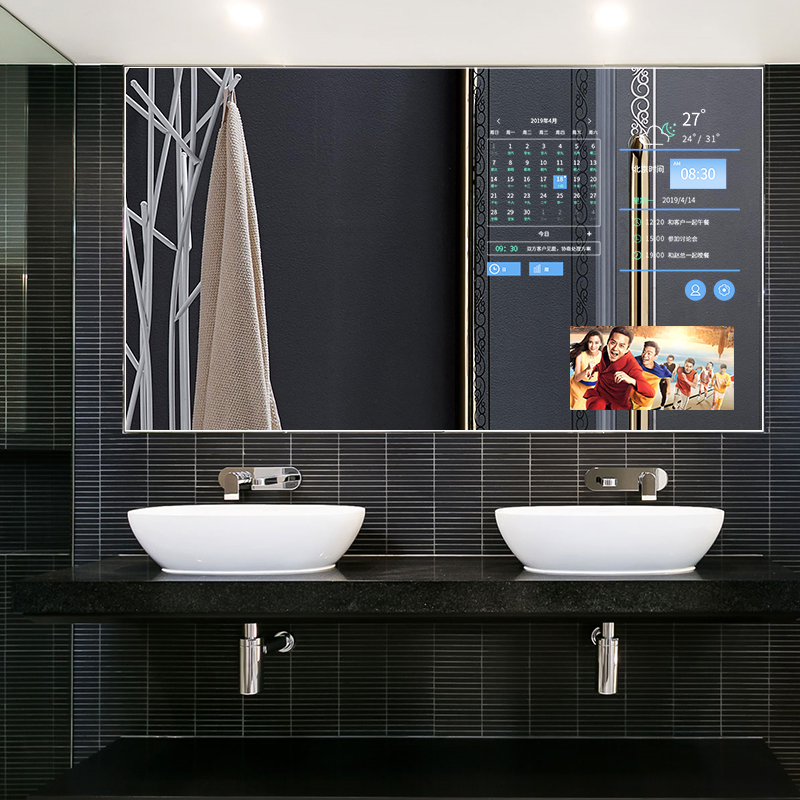
3. Smart Mirror

Bathroom mirrors are now interactive. With its voice-activated digital assistants, it can tell you weather updates, traffic updates, play podcasts, and even order toiletries.  

4. Smart Blinds

Wifi-enabled window blinds that you can program to open and close at a certain time or at specific temperatures. This comes in handy on those steamy summer days in Naples.

Are you currently looking to buy in Southwest Florida? Click here to send me a private email. Let’s discuss your dream home today!

Posted in Buyer Trends
Dec. 9, 2020

The Best Home Appraisal Tips For Today’s Buyers


Most people have deeply personal reasons for wanting to buy a home. Maybe it’s the bathroom that feels like a dreamy, modern spa. Or that two-tiered deck just made for parties.

Your lender doesn’t care about the freestanding tub. Or the built-in outdoor fire pit. Their only concern is that the house you buy is worth as much as the value of your mortgage.

To them, a house isn’t home. It’s collateral. (Harsh, but true.) If someday, for some reason, you can’t make your mortgage payments, the lender can foreclose on the home and sell it to recoup all or some of its costs. (Even harsher, but also true.)

For that reason, a home must be valued at, or above, the agreed-upon purchase price, and this has to happen before you can close on a house. That’s where a home appraiser comes in. 

A Home Appraiser Is Neutral (Like Switzerland)

After you sign a home purchase agreement (the contract between you and the seller about the terms of the pending sale), and before your lender approves your loan, the home you’re buying must pass an appraisal — an assessment of the property’s value by an unbiased third party: the appraiser.

An appraiser is a state-licensed or -certified professional. Their job is to assess an opinion of value — how much a house is worth. The appraiser is on no one’s side. They don’t represent you or the seller; instead, this person is a contractor chosen by your lender through an appraisal management company (AMC), a separate, neutral entity that maintains a roster of appraisers.

Appraisers survey a house in person, using five main criteria to determine the value of a home:

-Location

-Age

-Condition

-Additions or renovations

-Recent sales of comparable homes

Be Prepared to Pay for the Appraisal — or to Negotiate

Generally speaking, the home buyer is responsible for paying for the appraisal — and the fee is typically wrapped into your closing costs. However, who pays for an appraisal is negotiable. It never hurts to see if the seller is willing to cover it.

How much money are we talking about? The average professional home appraisal will run between $287 and $373, according to estimates by the home-professionals resource HomeAdvisor.com. Costs can vary depending on the square footage and quirks of the house, with higher appraisal prices for larger or more unique homes.

If an Appraisal Is Low, You Can Still Make It Work

Before we talk strategy, some reasons why appraisals come in lower than expected:

-The seller overvalued the price of the home. 

-The appraiser isn’t familiar with the neighborhood.

-The appraiser overlooked pending sales data.

-The appraiser had trouble finding comparable homes or missed comparable homes, so they compared your home with properties outside the neighborhood.

-Home prices in the area are changing so fast that the listing agent’s price no longer reflects the market.

-The appraiser rushed the job.

You can also appeal the appraisal assessment

You’ll work with your agent, hopefully, that's me, to research comparable homes that support the sales price you agreed upon with the seller and present this information to your lender, who will forward it to the appraiser for a re-evaluation of the home’s value. Ultimately, though, it’s up to the appraiser to decide whether to revise their valuation of the property.

Alternately, you can ask your lender for a second appraisal, though there are caveats:

-You’ll have to pay for it out of pocket (or persuade the seller to foot the bill).

-You’re more likely able to challenge an appraisal for a conventional loan than a government loan. And you’d need solid facts to back it up in either case.

-There’s no guarantee that it will be higher and meet the sales price.

The last option: 

You can come up with the cash yourself to cover the difference between the home’s price and the appraised value. 

If you don’t want to take that route (and who could blame you?), a purchase agreement’s home appraisal contingency gives you the ability to walk away from the deal scot-free, and with your earnest money deposit in hand.

But today, let’s assume it all works out. With the appraisal behind you, you’ll be one step closer to closing on that house.

If there’s a will, there’s a way. Feel free to reach out to me directly at 239-272-8494 or email me to discuss your next real estate move.

Posted in Buyer Trends
Dec. 5, 2020

10 TOP 2021 Home Design Trends From Houzz

Houzz, the home renovation and design connection platform has shared 10 design trends it sees as top consumer considerations for the coming year. As coronavirus has turn homes into multi-functional spaces — offices, school, and vacation spots to name a few — these design trends are functional as well as beautiful. 

1.The multi-zone kitchen


Many homeowners want their kitchens to emphasize a variety of tasks and allow for other cooks as well. In response, homeowners are working with designers on Houzz to add more touchpoints to that triangle shape and create a “work trapezoid” that might include dedicated areas for baking, prepping and chopping, or separate stations for snacks, drinks, or homework. 


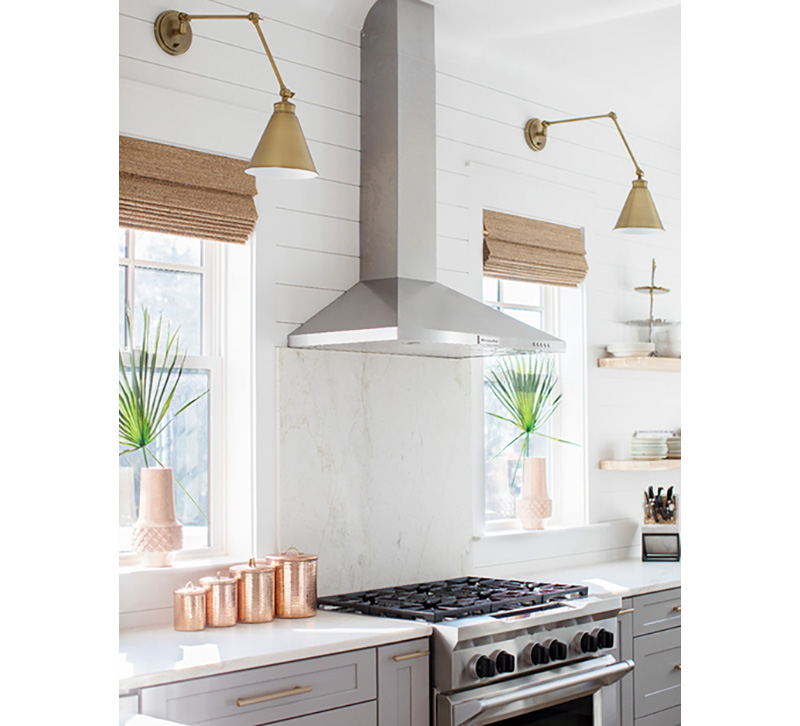
2. Stylish sconce lighting


Homeowners on Houzz are showing interest in swing-arm and other sconce fixtures, which can add some adornment while providing needed task lighting around a sink or range. 


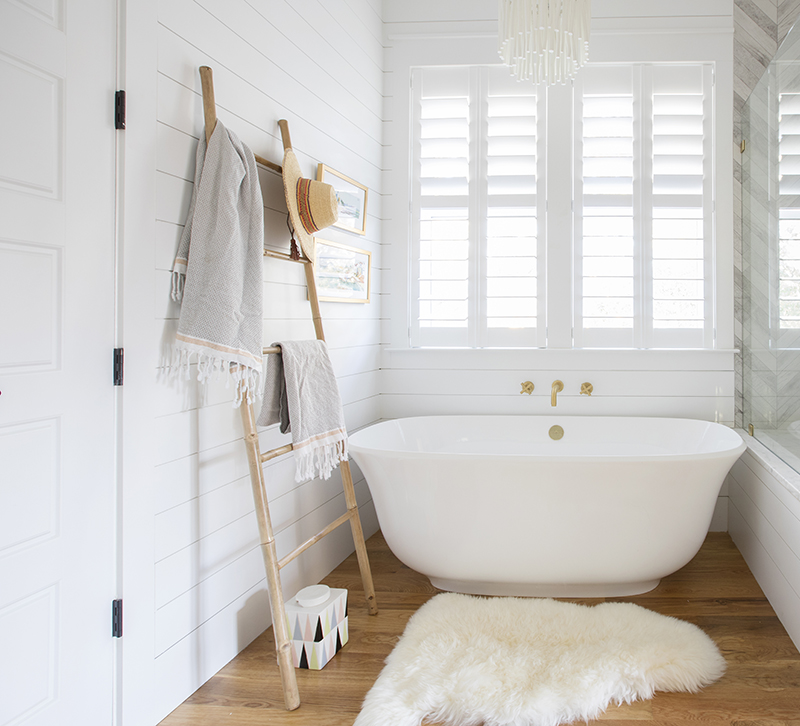
3. The rejuvenating bathroom


Two in five homeowners (41%) who renovated a master bathroom say they rely on their new space for rest and relaxation, according to the recent 2020 Houzz Bathroom Trends Study. Besides a soak in the tub or a long hot shower, some homeowners are rejuvenating with steam showers, aromatherapy showerheads, and bathtub fillers that can hold a cup of tea or a glass of wine. 


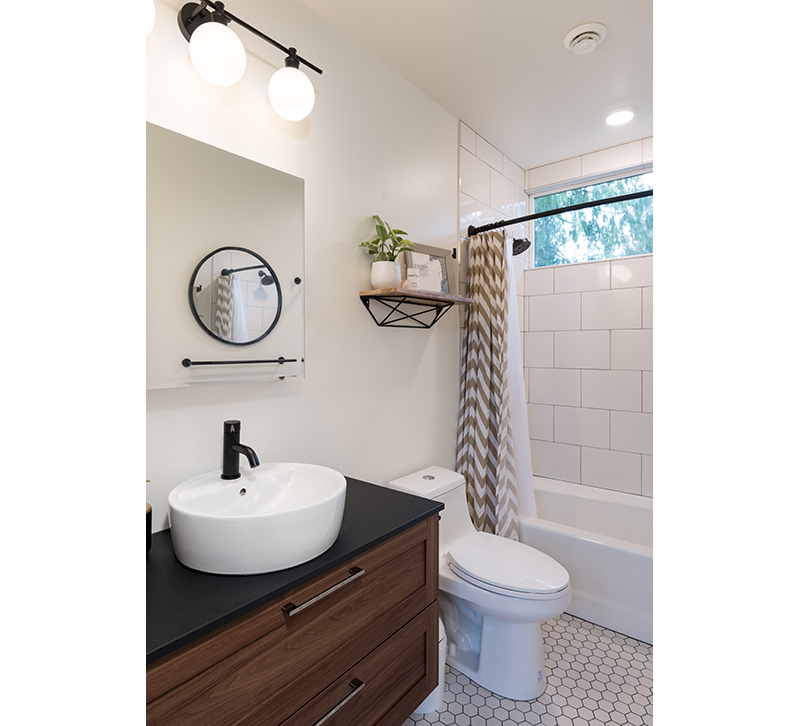
4. Oversize rectangle tile


Fewer grout lines mean less cleaning and less visual clutter. Plus, the large-format tile can help visually expand a small space. We’re seeing large tiles used in a variety of classic patterns, such as herringbone, stacked, and brick. 


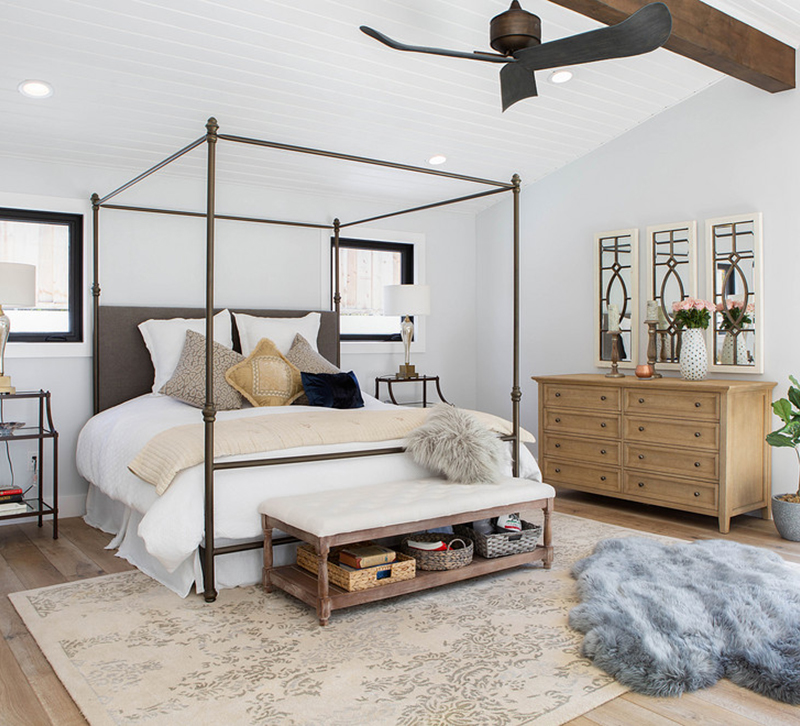
5. Browns and beiges bounce back


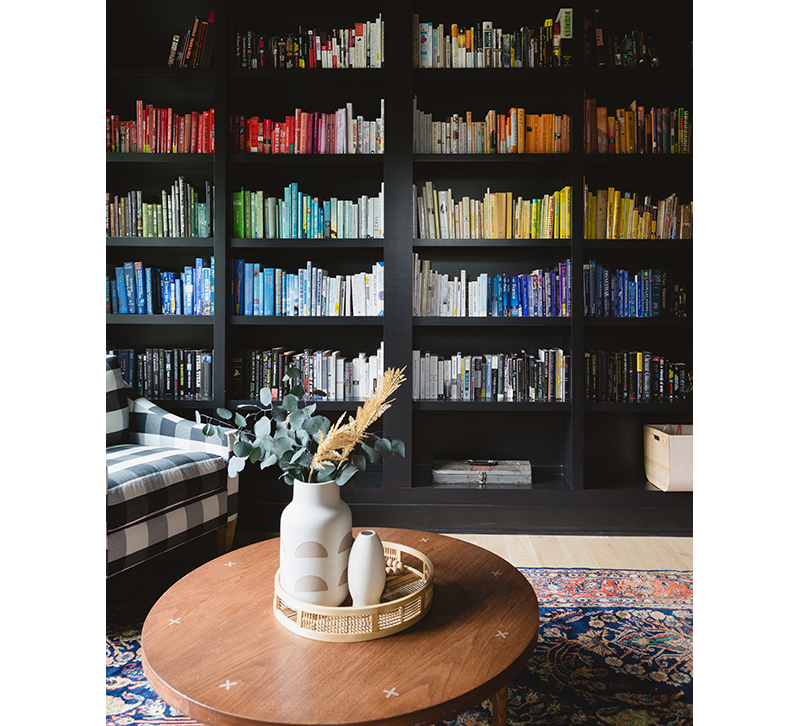
A trend that came up, again and again, was a renewed interest in shades of brown. Warm taupes, beiges, sands — basically any earth tone is surging in popularity. Some designers say the trend is an evolution from popular whites and grays of recent years, and that brown as an accent color works well to bring warmth to a palette heavy with those colors. 


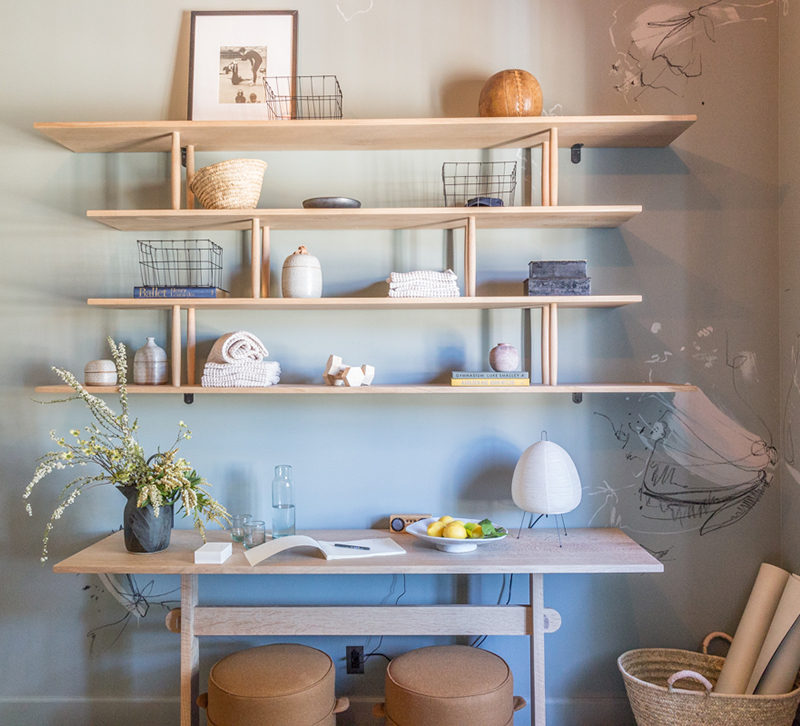
6. Hardworking home offices and nooks


This year, family members of all ages sought out productive spaces for remote work, video meetings, schoolwork, and other tasks that previously took place away from home. This trend of remote work will continue in 2021, and homeowners will double-down on creating efficient dedicated offices, work nooks, and backyard cottages.


7. Video conference-worthy backgrounds


This year, many people found themselves crafting aesthetically pleasing backgrounds for video meetings. Homeowners are discovering the art of a good vignette, from artwork, pops of color, good lighting, a little greenery, and objects of different sizes. 


8. Rethinking the open plan


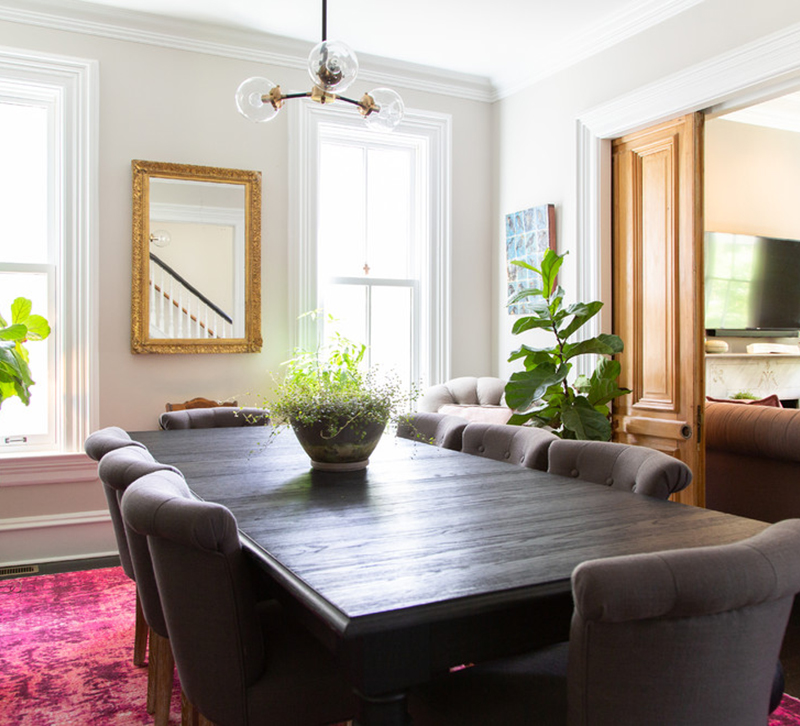
Anyone who had multiple family members attempting concurring video meetings in an open layout quickly saw the disadvantages to a lack of walls. The open plan isn’t going away, but many people are considering sliding doors or partitions that can close off rooms for much-needed privacy. 


9. The year of the pergola


Homeowners on Houzz are looking to extend usable living space to outdoor areas, and a pergola is a relatively quick and affordable solution. These simple shade structures, which can be built and installed in a day or two, provide adequate shade for dining, lounging, and other outdoor activities. 


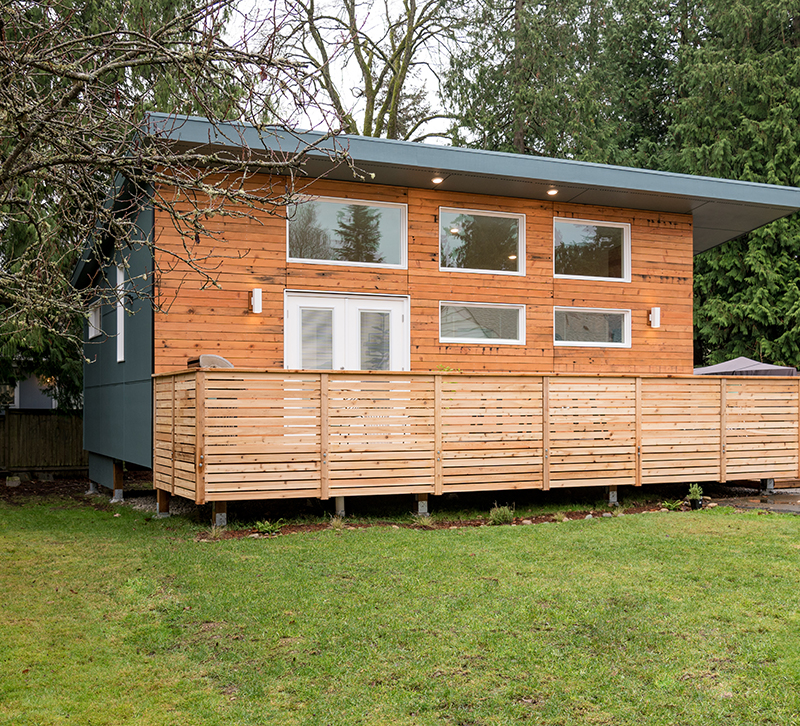
10. Rise of the backyard cottage or ADU


Many people who found themselves in households of competing video meetings and school activities desperately sought private space to work, exercise, or relax. A backyard cottage or accessory dwelling unit (ADU) can be just the solution. These standalone structures are used as home offices, gyms, meditation areas, or extended living spaces. 


Considering selling your home for something larger or with a different exposure? Click here to email me directly to discuss your options.

Posted in Selling Your Home