Fortune Tells

May 8, 2021

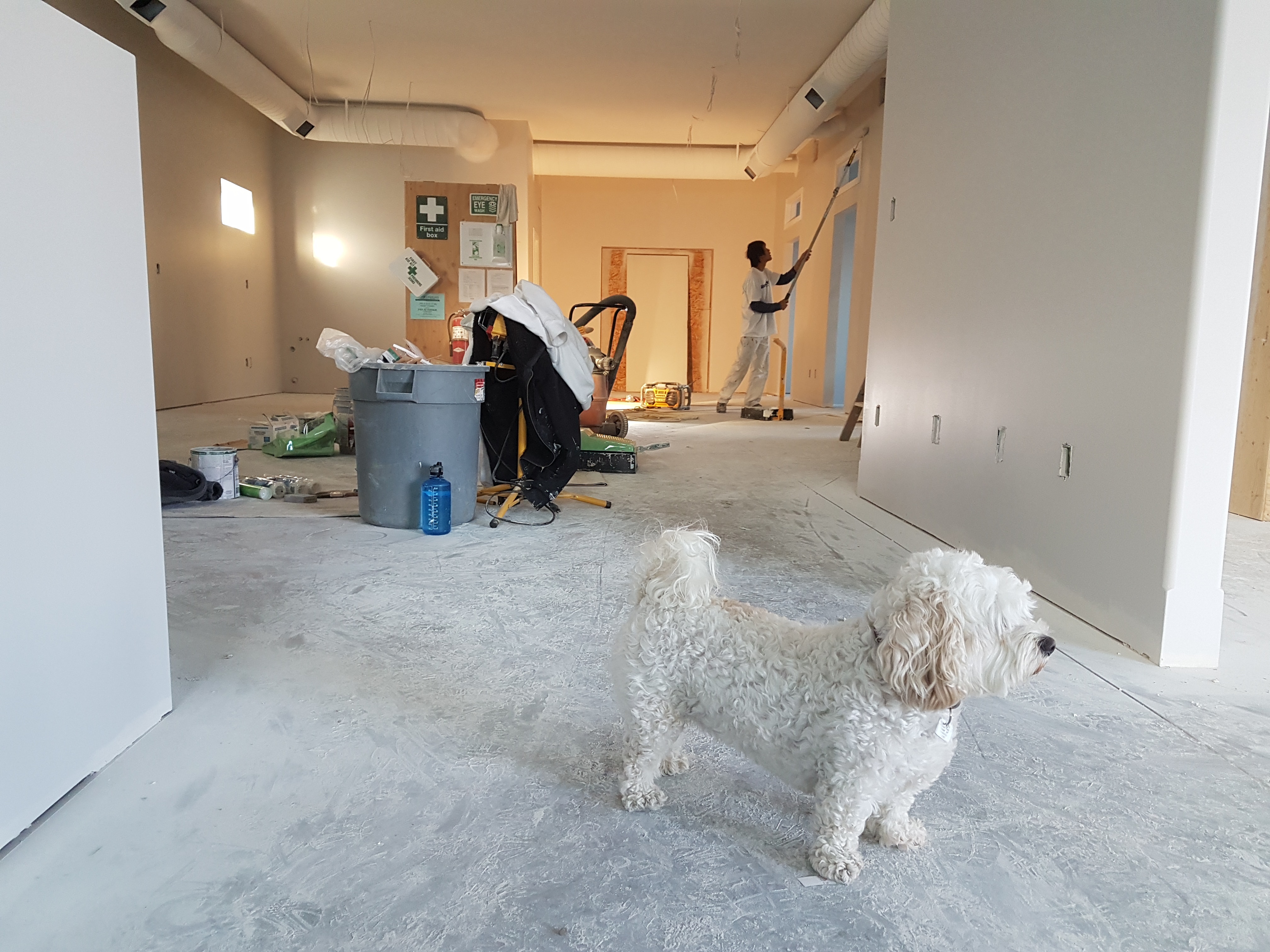
10 Reasons to Welcome White Walls

White paint can be a surprisingly divisive issue. Those who hate it consider it too sterile and hospital-like or boring and impersonal. Those who love it would probably paint everything white given half a chance. Here are 10 reasons to give white walls a chance.

1. White leaves room for creativity. Like an empty page, a blank canvas, or a dance studio before class begins, white walls become the backdrop for whatever you want to create. Try painting the walls crisp white in your craft space, home office, or anywhere you want to encourage creativity.

2. White lets you experiment with color. Love eclectic textiles, colorful throw pillows, and vibrant rugs? White walls give you the freedom to pile on the color and pattern and change things up as often as you like without repainting. This can be especially helpful in rooms that are remade relatively often, like the bedroom and living room. Toss on any bedding or cushions you like, and it will always go with white.

3. White is ideal for displaying art and collections. There’s a reason white is the most popular color in art museums and galleries the world over: It lets the work take center stage. Whether you have a special piece of original art you want to highlight, an eclectic salon-style grouping, or a collection of pottery, white walls put the focus on your fabulous finds.

4. White is foolproof in an open-plan space. When multiple rooms of a home are visible at once, the use of one wall color throughout helps space feel more serene. White is a can’t-miss option because it goes with everything, and it makes compact spaces feel larger.

5. White is classic. White is elegant, tasteful, and always in style. It glows by candlelight and looks splendid with antiques and original wood trim. Unlike some of the moment colors, a room painted white will never feel dated. If you’re looking for a paint color that will last, you can’t go wrong with classic white.

6. White works equally well in summer and winter. White walls look carefree and beachy in summer with seagrass rugs and bright accents, while in winter, the same walls take on the look of a field of snow when paired with twinkle lights and wintry decor. Other hues have their own charms, but none are quite as flexible as white.

7. White is clean and simple. There are enough complications in life — why not make your wall color an easy choice? White paint makes any room look clean and fresh, and unlike a white sofa or white carpet, it’s easy to keep looking clean. (Pass the Magic Eraser!)

8. White works for minimalists and maximalists. Clean, crisp white is a go-to color for minimalists, for obvious reasons, but it can work just as well for those who prefer a warm, cozy, collected style. A coat of white paint on the walls gives the eye a place to rest when there are multiple layers of accessories and textiles, making the overall vibe of the space feel fresh rather than cluttered.

9. White is relaxing. With so much visual “noise” out there, coming home to a deliciously simple white room can be a joy. Unwind and relax in a white bedroom with simple, natural fiber linens in soft, pale hues for the ultimate comfort.

10. White plays up architecture. Architects tend to prefer white interiors because the lack of color leaves the focus on the lines of the structure itself. If you have a space with wonderful bones, highlight that fact by painting the walls a crisp white, and keep the window treatments minimal.
 

May 5, 2021

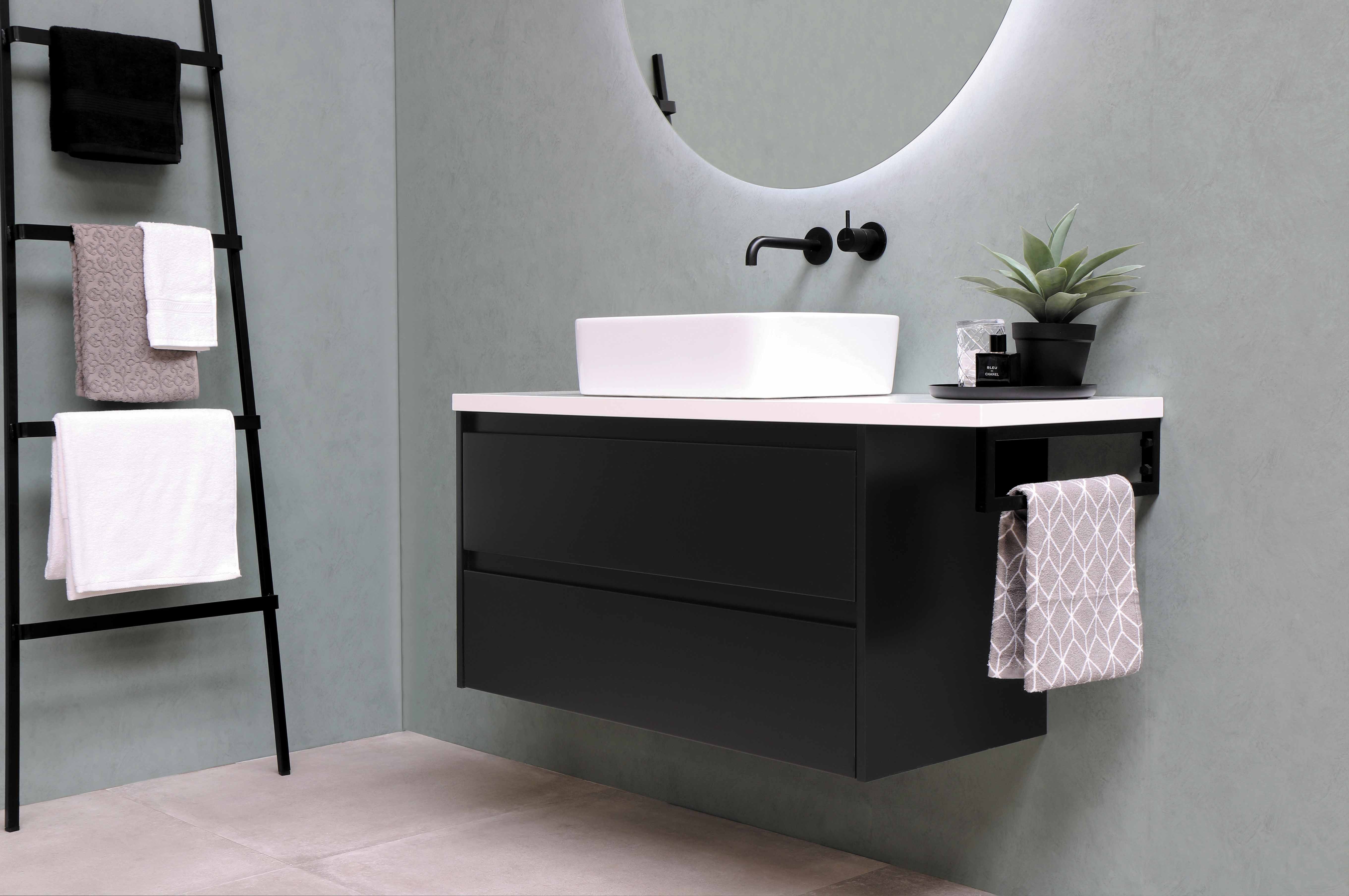
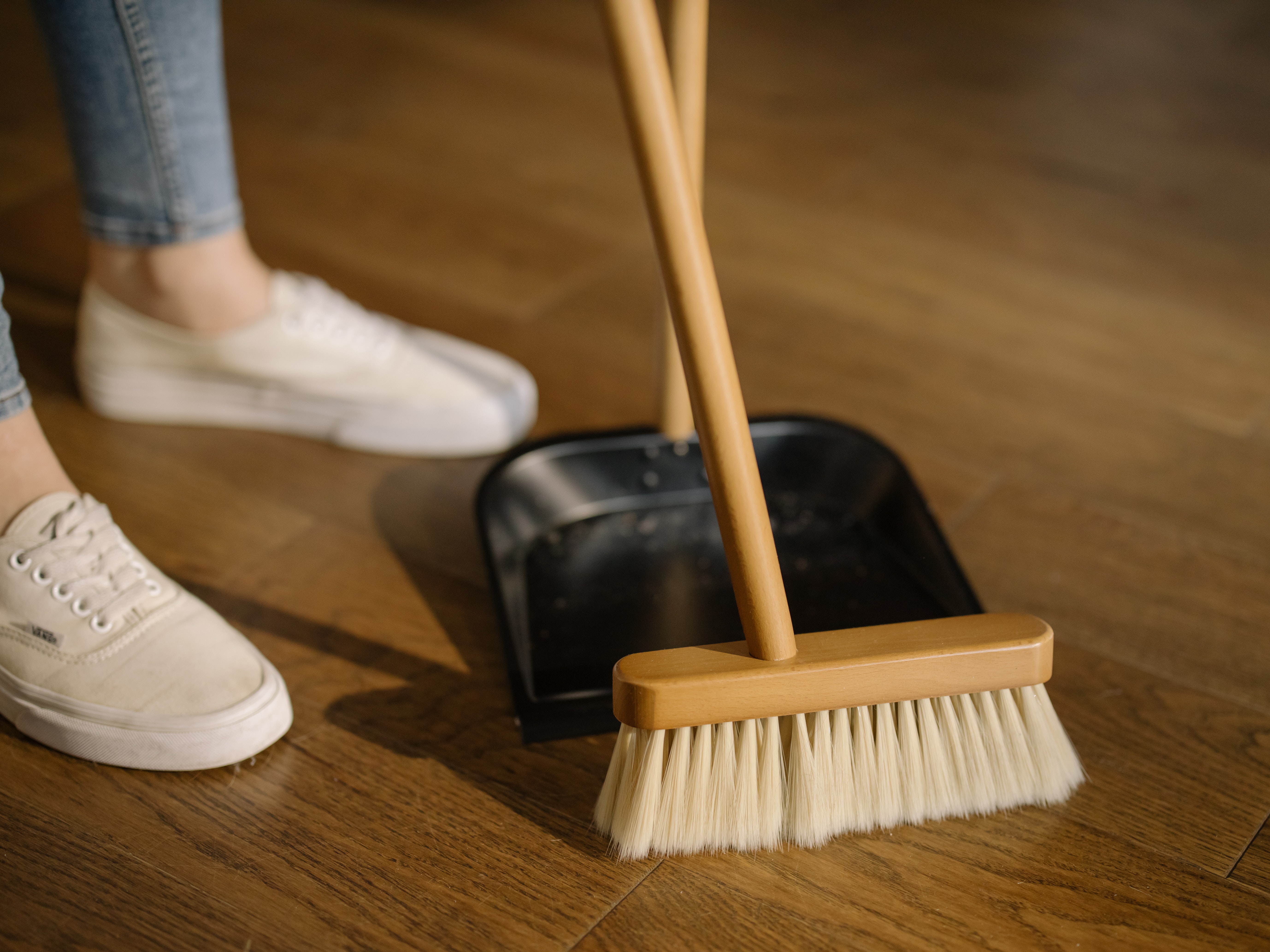
10 Ways to Create More Bathroom Storage

Whether you’re single or living in a house full of kids, there never seems to be enough storage space in the bathroom. Here are 10 great ways to create extra space in a bathroom.

1. Built-ins are space-savers 

Custom built-ins can provide maximum storage in a bathroom. Custom cabinets can be costlier than standard cabinetry, but it will be money well spent when every inch can be maximized.

2. Place the storage where it’s needed most 

Come up with creative and beautiful ways to have storage where it needs to be. That wall behind the tub is a prime location. Spare the art and take a practical approach in one of the most functional rooms in your house.

3. Hanging options 

When counter or floor space is limited, consider hanging your storage. Not only will you get extra space for stowing, but it can also look great. Hanging also allows you to bring in decorative elements that you wouldn’t otherwise have space for.

4. Mix indoors and niches 

Bathroom storage can often get untidy. While open niches and floating shelves can be glamorous, cabinets with doors will provide secure storage that you won’t have to constantly organize. By having both doors and niches, bathrooms can still look beautiful while maximizing storage.

5. Think outside the (lower) box 

Use wall space to hang cabinets where you can store items not used every day, such as extra rolls of toilet paper.

6. Store everyday essentials at your fingertips 

A small pullout dedicated to everyday essentials can keep other storage from becoming cluttered.

7. Every inch counts 

You can utilize even the smallest wall for added storage. Medicine cabinets typically can be recessed to save space.

8. Think multifunctional 

Combine functions of the bathroom if you have space. Instead of having a laundry room, for instance, combine the bathroom and the laundry to create a larger space with more storage.

9. Vertical storage 

Vertical storage can use dead space on the walls to store tall bottles and stackable tissue boxes. The beauty of tall units is that they can be treated the same as walls or doors to conceal their purpose.

10. Storage furniture 

Many bathroom benches now come with storage for easy access to small items used on a regular basis. Being tidy and being chic at the same time is definitely a bonus.

Got more tips? Let us know in the comments section.

April 30, 2021

10 Surprising Things in Your House That Are Grossing Out Your Guests

Your guests will forgive you if the house isn’t in catalog condition. But you know what they won’t forgive? Some frankly disgusting stuff that you might have overlooked in your haste to pretty things up.

Some of these problem areas are quick fixes, while others will take a little more planning and effort to resolve. Start addressing the ick factor now, and you’ll be wowing guests in no time.

1. Dirty bathrooms

OK, this one shouldn’t come as any kind of surprise. But just in case you didn’t already know, your unkempt bathroom is grossing people out.

After cleaning and sanitizing your sink, tub, and toilet, run a microfiber cloth along your baseboards to catch any dust that’s almost certainly collected there.

2. Water stains

Water stains on the ceiling or moldy, rotting wood around the windows are guaranteed to be gag-inducing. Fix them—and fast.

3. Your shower curtain liner

You know what we’re talking about: Nobody wants to see your discolored or mildewed liner when they step into the shower to, you know, get clean.

4. Pet hair

Nothing says “welcome to our home” like tufts of dog hair floating across your living room like tumbleweeds. An easy solution: Vacuum regularly

5. Hand towels

Would you want to dry your hands on the same damp towel everyone else in the house has been using? Spring for some disposable hand towels, and save your guests the disgust factor—and a possible trip to urgent care.

6. Carpet

Make sure the carpet is clean. It's not just a turnoff but it can also cause allergies or asthma. 

7. Fuzzy toilet seat covers

We can’t believe this is still a thing. These things are germ magnets, given their proximity to the throne. 

7. Used pillows

The guest room might seem like a good place to put your old pillows that you just can’t bring yourself to toss. But here’s a hard truth to face: If you wouldn’t sleep on those pillows, your guests shouldn’t have to, either.

8. Old sponges and loofahs

Old sponges won't instill your guests with confidence that things are clean. Toss them after a week or so of use, and hide them when guests are around.

9. Your slow-draining shower

Nobody wants to stand in 3 inches of dirty water. Hire a plumber to investigate the source of any backup, and save your guests this indelicate nightmare.

10. Sticky cabinets

Our experts tell us that sticky cabinet surfaces—typically the result of grease buildup from months and years of cooking—is a major cringe-inducer for guests.

Do you have more tips or questions about this? Click here to send a message.

April 26, 2021

Tips to Maximize the Sale of Your House

Homeowners ready to make a move are definitely in a great position to sell today. Housing inventory is incredibly low, driving up buyer competition. This gives homeowners leverage to sell for the best possible terms, and it’s fueling a steady rise in home prices.

In such a hot market, houses are selling quickly. According to the National Association of Realtors (NAR), homes are typically on the market for just 18 short days. Despite the speed and opportunity for sellers, there are still steps you can take to prep your house to shine so you get the greatest possible return.

1. Make Buyers Feel at Home

One of the ways to make this happen is to take time to declutter. Pack away any personal items like pictures, awards, and sentimental belongings. The more neutral and tidy space, the easier it is for a buyer to picture themselves living there. According to the 2021 Profile of Home 

2. Keep It Clean

On top of making an effort to declutter, it’s important to keep your house neat and clean. Before a buyer stops by, be sure to pick up toys, make the beds, and wash the dishes. This is one more way to reduce the number of things that can distract a buyer from the appeal of the home.

Ensure your home smells fresh and clean as well. Buyers will remember the smell of your house, and according to the same report from NAR, the kitchen is one of the most important rooms of the house to focus on if you want to attract more buyers.

3. Give Buyers Access

Buyers are less likely to make an offer on your house if they aren’t able to easily schedule a time to check it out. If your home is available anytime, that opens up more opportunities for multiple buyers to go from curious to eager. It also allows buyers on tight schedules to still get in to see your house.

While health continues to be a great concern throughout the country, it’s important to work with your agent to find the best safety measures and digital practices for your listing. This will drive visibility and create access options that also keep everyone in the process safe.

4. Price It Right

Even in a sellers’ market, it’s crucial to set your house at the right price to maximize selling potential. Pricing your house too high is a detriment to the sale. The goal is to drive high attention from competing buyers and let bidding wars push the final sales price up.

Work with your trusted real estate professional to determine the best list price for your house. Having an expert on your side in this process is truly essential.

Contact a local real estate professional today to determine the best ways to maximize the sale of your house this year.


Posted in Selling Your Home
April 21, 2021

What is Home Appraisal and Why Does it Matter?

Buyers, sellers, and hopeful refinancers alike should familiarize themselves with the appraisal.

Take the time to understand what the critical steps in the homeownership process are and why they matter. 

What is a home appraisal? 

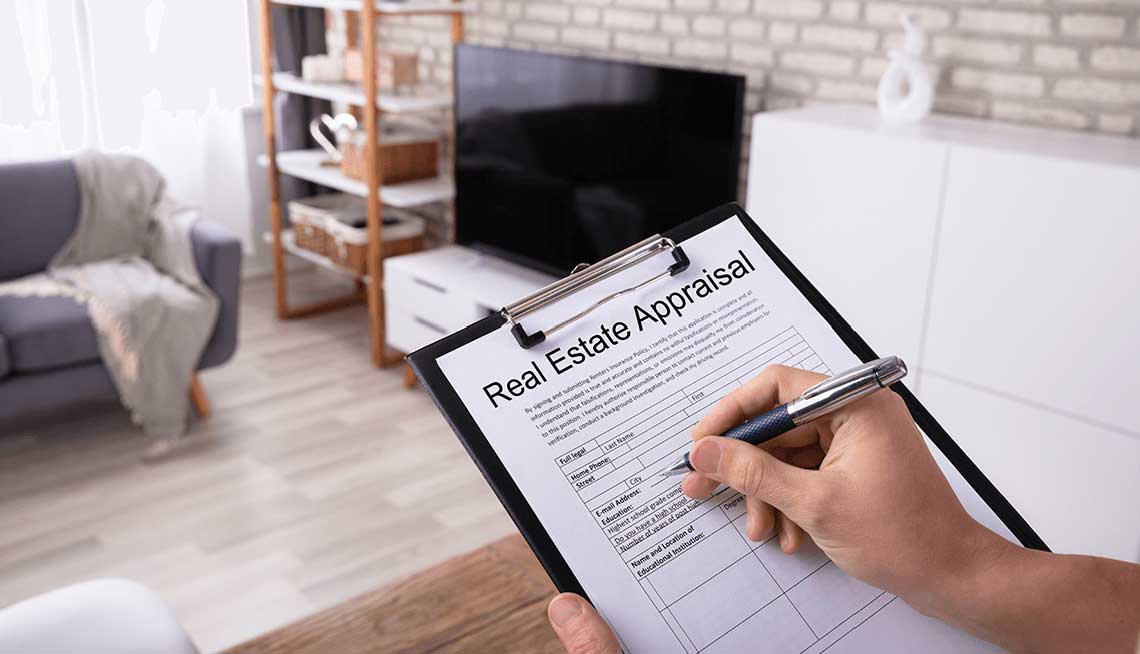
An appraisal is the estimated value of a home determined by an inspection of the property and its comparison to recently sold homes in the area to estimate the value.

Before you complete the home buying, selling, or refinancing process, it’s required that you first get a home valuation, the most common of which is an appraisal, which gives an estimate of the value of the home in question. The findings from an appraisal determine the amount a mortgage lender will let you borrow for the property.

The home appraisal process 

The appraisal process will vary depending on your loan type but, in most cases, begins with an appraisal visit (Forbes, 2020). During the visit, an appraiser will inspect the status of the interior and exterior of the home, review any potential safety hazards, note the number of rooms and any upgrades or renovations. The appraiser will also typically take photos or videos of the home and, depending on the loan type, test utilities, and appliances.  After the visit, the appraiser will then research comparable homes with similar characteristics that have recently sold in nearby markets.

Why home appraisals matter? 

Understanding the significance of a home appraisal is particularly important for buyers (Investopedia, 2020). If the appraisal is equal to or higher than the listing price, you can likely proceed with your purchase. If the figure comes in lower, however, the purchase could get a bit more complicated. Lenders won’t typically lend borrowers more than their home of choice is worth, so you may need to either use the appraisal as a bargaining chip to negotiate a lower price, get a second opinion from another appraiser, or walk away from this particular home. 

Whatever your role in the homeownership process, it’s important to understand the power of a home appraisal. Take some time to get to know appraisal requirements based on the loan type, explore property values nearby and, if you’re a current owner, make any necessary upgrades to present your home in its best light. After all, this figure can make or break a sale or refinance.  

If you have more areas estate-related questions, just send me a message

April 19, 2021

8 Tips for Negotiating Your Offer


Many sellers accept the best offer they receive, and for a variety of reasons.

But sellers are also known to reject offers for a variety of reasons. Or make counteroffers. This is especially likely if you bid low, or when you’re up against multiple competing offers.

Here are eight tips every buyer should know before you start negotiating:

1. Act Fast

When you receive a counteroffer, you should respond quickly — ideally within 24 hours. The longer you wait, the more space you leave for another buyer to swoop in and nab the property. 

2. Raise Your Price (Reasonably)

While you don’t want to overpay for a house, you may have to up the ante — especially if you initially made a lowball offer. Lean on your agent’s expertise to determine how much money you should add to make it more enticing to the seller.

3. Increase Your Earnest Money Deposit

Increasing your earnest money deposit (EMD) is another way to show the seller you have more skin in the game. A standard EMD is typically 1% to 3% of the sales price of the home. Making a counteroffer with a 3% to 4% deposit could be what you need to persuade the seller to side with you.

4. Demonstrate Patience About Taking Possession

If the seller wants to stay in the home for a few days after closing, try offering a later possession date. You could also draw up a “rent-back” agreement, meaning the seller pays you to rent for staying in the home for a set period after the closing date.

5. Let Go of a Few Contingencies 

Reduce the number of contingencies you’re asking for. It’s your way of saying, “Hey, look, I have fewer ways to back out,” which gives the seller more reassurance that the deal will close.

6. Ask for Fewer Concessions

When making an initial offer, you have the option to ask the seller for concessions — a settlement paid in cash to help you offset your share of the closing costs. However, this move is less feasible if you’re going up against multiple offers.

7. Pick Up the Cost of the Home Warranty

A basic home warranty costs about $300 to $600 a year, according to Angie’s List. If it seems like waiving the home warranty can sweeten negotiations, but you still want the peace of mind of having one, tell the seller they don’t need to cover it — then buy it yourself.

8. Know When to Walk

When negotiating with a seller, trust your gut — and your realtor. If he or she says a deal is bad for you: Listen. And if you don’t want to make any more trade-offs — and the seller won’t budge — it’s smart to walk.

That can be a tough decision to make, and rightfully so! Negotiating is tough. It’s draining. And losing something you’ve worked hard to get can be disappointing. But don’t worry. There’s a better deal for you out there.

If you need help, send me a message here and I will be happy to guide you.  


April 15, 2021

6 Mistakes To Avoid When Upsizing to a New Home

6 Mistakes To Avoid When Upsizing to a New Home


Tired of having your already cramped room? It might be time to upsize. While getting more space may seem enticing, upsizing can hold pitfalls for unwary home buyers.

Here are some mistakes to avoid when upsizing to a larger home:

1. Rushing to buy a bigger home
Have a reality check. You don't want to ditch your current dwelling without understanding the market and thinking things through. Don't get suckered into paying for any conveniences you don't need, such as expediting certain services. Give yourself time to get those things done.

2. Miscalculating your space needs
It’s important to be realistic about how much space you need. And once you move into that bigger space, live in it for a while, without buying extra furniture, to assess what pieces you need.

3. Ignoring long-term factors
When making any major purchase, try to picture how your life might change in the coming years. Make sure to have a realistic projection of how long you plan to stay in the new home, how your family’s needs might change in that time, and whether the home would continue to meet your requirements.

4. Disregarding financing
Make sure to do your homework on financing, and don't go in blind when trying to buy a bigger home.

5. Neglecting your current home
Don't set aside the maintenance of your current home in your rush to upsize.

6. Spending too much on items for the new home
Feel your new house. Check a little while what you really need. Do not overspend because you feel like doing so for your new house. 

The current real estate market creates motivation to move as quickly as possible. However, it is important to be diligent and careful in your decision process. 

If you have further real estate-related questions, click here to send me a message. 


April 13, 2021

10 Effective Cleaning Hacks this 2021 Spring

10 Effective DIY Cleaning Hacks this 2021 Spring


A good spring clean-up is a tradition that not only promotes wellness by keeping your environment clean and organized, it also helps carry the fresh-start feeling brought on by a new year well into the summer.

So before you start with your spring cleaning, here are some of the best DIY spring cleaning tips to make it sparkle all year round.

1. Use old socks as dusting mitts
Cotton is a great fabric for trapping dust particles.

2.Use a butter knife to clean air vents
Use a butter knife to reach those tough get places between and behind your vents. Simply wrap the knife in a rag and wipe between the slats.

3. Use a dustpan to help fill a large mop bucket
If your bucket is too large, try using a dustpan as a spout by placing it flat on your sink to transfer water to the bucket.

4. Use a window squeegee to scrape pet hair from your carpet or rug
The rubber edge of the squeegee is a great tool for gripping and removing pet hair from your rug. 

5. Use cream of tartar to clean toasters and tea kettles
Combine 1 tsp of cream of tartar with just enough water to create a milky paste. Rub the solution onto your stainless steel appliances and wipe away to reveal their original shine.

6. Clean your grill with an onion
First, heat it and spray some white vinegar onto the grates to help loosen the residue. Then, scrub the area firmly using half an onion. The acid from the onion will rid your grill of any leftover remnants.

7. Use newspaper to clean dirty windows and mirrors
Mix ¼ cup of white vinegar, 2 cups of water, and 2 teaspoons of liquid soap into a spray bottle. Spray the mixture onto the glass and scrub with newspaper for a streak-free window or mirror. The ink acts as a mild abrasive and allows you to make use of old newspapers

8. Clean stainless steel sinks with baking soda
Simply wet your sink and faucet, sprinkle baking soda, and scrub with a sponge. If you need more heavy-duty scrubbing power, add salt to the baking soda.

9. Remove water stains with lemon for a natural faucet fix
Make faucets clean and sparkly by rubbing a lemon half on the water stains. The citric acid helps remove hard watermarks. 

10. Clean your microwave by heating lemon juice and rinds in water
Cut a lemon into halves, squeeze the juice into 1/2 cup of water and drop the rinds into the mixture. Microwave for three minutes and let it stand for five minutes without opening the door. The trapped steam will loosen the grime, so you can wipe the microwave clean with less elbow grease.

Whether you’re doing your annual spring clean-up or a weekly home cleaning, the above tips and hacks will surely make your life easier.

Send me a message and I will give you more real estate related tips. 
Posted in Real Estate Tips
April 11, 2021

5 Upgrades That Don't Add Value to Your Home

5 Upgrades That Don't Add Value to Your Home


If you're planning to sell your house, you might be tempted to go overboard with updates and upgrades to help you fetch the highest price at the closing table. While some home projects add value to your home, others offer little opportunity to recover the costs when it's time to sell. Here are six upgrades you may think add value to your home but don't.

1. Swimming Pool
You and your family might enjoy a swimming pool, but it's an expensive investment that might not offer any return.  In certain situations, a pool can add value to your home, but not necessarily by an amount that makes it worth the cost.

2. Overbuilding for the Neighborhood
At some point, you may need more room but don't want the hassle of moving. Some improvements may unintentionally make your home fall outside the norm for the neighborhood. A large, expensive remodel may make the home more appealing. But it won't add significantly to the resale value if the rest of the neighborhood has small, one-story homes. Homebuyers generally don't want to pay $500,000 for a home in a neighborhood where the average sales price is much lower.

3. Inconsistent High-End Upgrades
Updates and upgrades should be consistent throughout the home. A home with a beautifully remodeled kitchen might be viewed as a work in progress if the bathrooms haven't been updated. And that means the remodel might not fetch as high a return unless the rest of the home is brought up to the same level.

4. Invisible Improvements
Invisible improvements are pricey projects that you know make your house a better place to live in, but that nobody else will notice or likely care about. You might need a new plumbing system or HVAC unit, but don't expect to recover the costs when it comes time to sell.

5. Wall-to-wall Carpeting
While real estate listings may still feature new carpeting throughout as a selling point, homebuyers may cringe at the idea of having wall-to-wall carpeting. More people are turning away from carpeting because of the chemicals used to process it, not to mention its potential for trapping allergens—a serious concern for families with children.

Some home improvements increase your home's value, but others don't. When in doubt, compare features of comparable homes in your neighborhood, research real estate trends in your area, and consult with experts, including home designers, real estate professionals, and contractors, who can help ensure you make a good decision.

April 10, 2021

How Covid-19 Changed Our Homes?

How Covid-19 Changed Our Homes?


The global COVID-19 pandemic has impacted nearly every aspect of our home lives, from how we choose to decorate to how we can safely connect with new neighbors.

These are the five changes that we noticed. 

1. Floor plans
Families with multiple members working or learning from home, in particular, are benefiting from the privacy and even acoustics provided by segmented rooms.

2. Multi-use furniture
If you rent, live in a small space, or otherwise can’t commit to something as permanent as an altered floor plan, you’ve likely observed similar, albeit smaller, shifts within your space. As a result, attractive but functional pieces, from secretary desks to storage ottomans, will continue to characterize interiors in our new reality (HGTV).

3. Health and wellness
With an increased emphasis on health and safety, materials and finishes that promote cleanliness have become essential.

4. Livability
While spending more time at home, perhaps with additional family members, many owners have realized that livability wasn’t exactly prioritized in the past.

5. Natural influence
Of course, as interaction with the outside world remains limited, outdoor spaces and other natural influences reign supreme. From pleasing views to natural light, incorporating some organic elements can provide, quite literally, a breath of fresh air.

Which of these changes have you seen in your home this past year? Let's talk more about it.