
Fortune Tells

June 15, 2021

19 Money-Saving Things a New Homeowner Should Do Right Away

By using these homeownership guidelines as soon as possible, you will be able to begin saving money sooner rather than later. Furthermore, some of these activities will be easier to complete before you hang pictures or become too comfortable – and lose your move-in enthusiasm.

First things to do after buying a home to save on energy and maintenance costs

1. Check the insulation in your attic – and install more if needed.

If you have an unfinished attic, pop your head up there and take a look around. You should see insulation up there between the beams, and there should be at least six inches of it everywhere (more if you live in the northern part of the United States).

2. Lower the temperature on your water heater down to 120 degrees Fahrenheit (55 degrees Celsius).

This is the optimum temperature for your water heater. Most people don’t use water hotter than 120 degrees — indeed, water hotter than that can scald you or a child — and thus the energy needed to keep the water above 120 degrees isn’t used effectively. Lower the temperature, save money on your energy bill, and you’ll never skip a beat.

3. Toss a water heater blanket over that water heater as well.

While most modern water heaters are well-insulated, some are insulated better than others, and many older heaters aren’t insulated well at all. A small investment in a blanket for your water heater will slowly and gradually save you money on your heating bill over time by keeping the heat in the water instead of letting it disperse slowly into your basement or utility closet.

4. Install ceiling fans in most rooms.

Ceiling fans are a low-energy way to keep air moving in your home. Because of the air circulation effect, you can get away with keeping your thermostat a degree or two higher in summer and a degree or two lower in winter, netting rather large savings.

5. Wrap exposed water pipes with insulation.

Exposed hot water pipes lose heat as they move water from your heater to your faucet or shower. Wrapping them in pipe insulation, especially in cold basements or garages, can make a two- to a four-degree difference in the temperature of the water, and also allows hot water to reach your faucet faster.

6. Install a programmable thermostat – and learn how to use it.

A programmable thermostat allows you to schedule automatic increases and decreases in your home’s temperature, saving money on cooling in the summer and heating in the winter.

7. Replace your air filters.

Go down to your air handling unit, find where the filter is (it’s almost always a large rectangle), and mark down the measurements (printed around the edges). Then, go to the hardware store and pick up a few of them. Go home and replace the old one with a new filter, and save the rest so you always have a clean one ready to go.

8. Make sure the vents in all rooms are clear of dust and obstructions.

None of the vents in your home should be covered or blocked by anything – doing that makes your heating and cooling work overtime. You should also peek into all of your vents and make sure they’re as dust-free as possible, and brush them out if you see any dust bunnies. This improves airflow into the room, reducing the amount of blowing that needs to happen.

9. Mark any cracks in the basement with dated masking tape.

Many homes have a few small cracks in their basement walls from the settling of the foundation and the weight of the house. In a stable home, the small cracks aren’t growing at all – they’re safe. If they’re growing, however, you’ll save a ton of money by getting the problem addressed now rather than later.

10. Hang a clothes rack in your laundry room (or better yet, an outdoor clothesline).

Even an efficient clothes dryer can really eat up your energy costs, but it’s convenient for many people. If you’re willing to battle that convenience, you can save money by hanging a clothes rack from the wall in the laundry room and using it for some items; t-shirts, underwear, towels, and pillowcases dry great on clothes racks. If you can hang up 20% of the clothes in a load on a rack, you can get away with running the dryer 20% less than before, saving you cash.

11. Check all toilets and under-sink plumbing for leaks or constant running – and check faucets, too.

Got a leaky faucet? You should repair or replace any of those because the drip-drip-drip of water is also a drip-drip-drip of money; not to mention the terrible interplay between mold and home insurance.

12. Install LED light bulbs.

LED bulbs can save you a lot of money on energy use over the long haul, plus they have much longer lives than normal incandescent bulbs, making them well worth the upfront investment. Consider installing LED bulbs in most places — especially in areas where the lights may be in use for long periods, like the living room or kitchen, or left on accidentally, like a back hallway or basement.

13. Choose energy-efficient appliances, even if you have to pay more upfront.

Unless you were lucky enough to buy a fully furnished home, you’ll likely have to do some appliance shopping. Focus on reliability and energy efficiency above all, even if that seriously increases the cost you have to pay upfront.

14. Set up your home electronics with a SmartStrip or two.

Looking forward to getting your television, cable box, DVD player, sound system, and video game console set up? When you do it, set things up with proper surge protection (to shield your equipment from electric surges). You might also want to consider a SmartStrip, which makes it easy to “unplug” devices that aren’t in use.

14. Set up your home electronics with a SmartStrip or two.

Looking forward to getting your television, cable box, DVD player, sound system, and video game console set up? When you do it, set things up with proper surge protection (to shield your equipment from electric surges). You might also want to consider a SmartStrip, which makes it easy to “unplug” devices that aren’t in use.

15. Plant shade trees near your house.

Mother nature can help you save significantly on your summer cooling costs — and heating costs in winter, too.

16. Change the locks and make spare keys.

One of the first things many homeowners do is change the locks on their new homes. You don’t need to be particularly handy to install new door hardware, and a set of basic doorknobs and locks for your front and back door will only set you back $20-$80 or so. It may seem unnecessary, but there’s no way to know whether there are copies of your old key floating around, and who might have them if so.

17. Air-seal your home.

This isn’t such a problem in new homes, some of which are built tight as drums, but in older homes, it’s important to look for any places where air may be leaking directly into or out of your home. Common trouble spots are around doorways, windows, and even electric outlets.

18. Take advantage of tax benefits and other incentives.

The IRS offers a number of tax benefits for energy-efficient home improvements. Items such as solar panels, solar water heaters, geothermal pumps, wind turbines, and biomass furnaces receive a tax credit equal to 26% of the value of the improvement, while other improvements such as skylights receive a tax credit equal to 10% of the cost of the improvement.  Not only do these improvements reduce the energy cost of your home and improve your property value, but the IRS also pays for part of them with a tax credit.

19. Develop a home maintenance checklist, and run through it for the first time.

One final tip: Create a home maintenance checklist. This list should include regular home maintenance tasks that you’d want to do on a monthly, quarterly, or annual basis. 
June 10, 2021

What Is a Home Inspection?

What Is a Home Inspection?

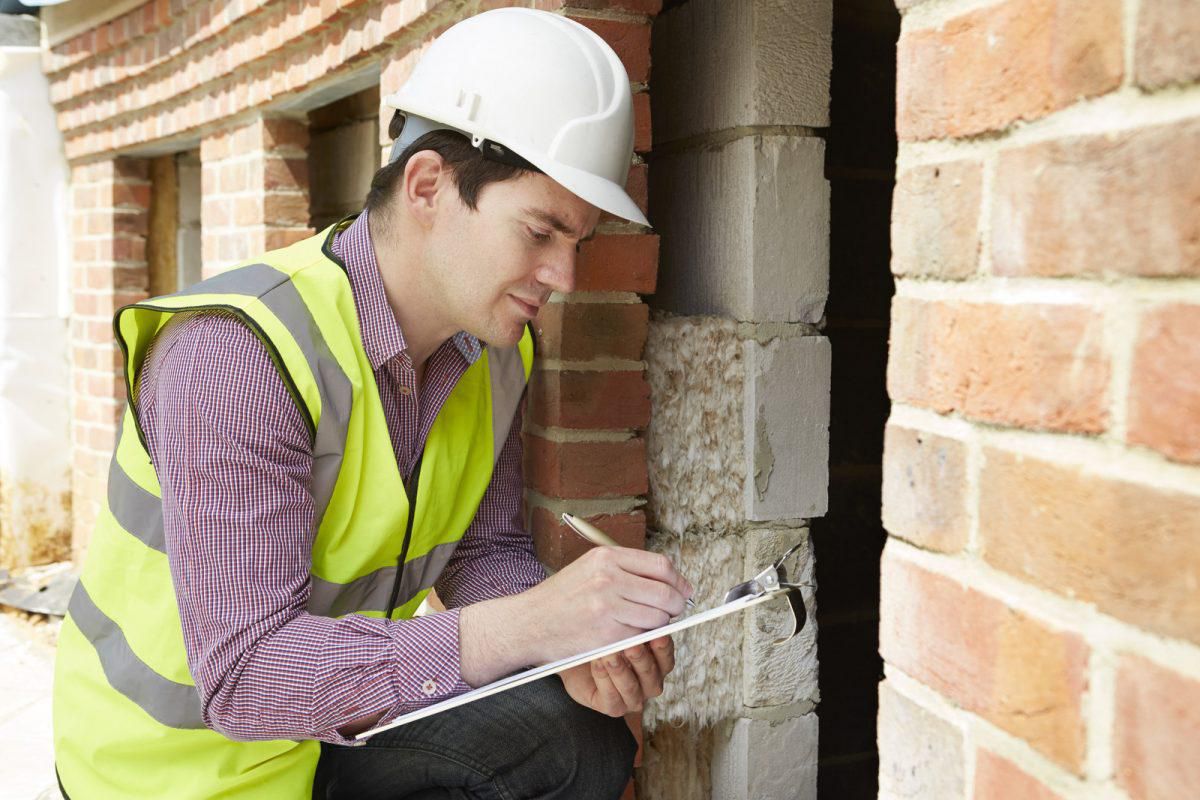
A house inspection examines and reports on the condition of a real estate property, which is commonly done while it is for sale.

A skilled home inspector examines the property's heating and cooling systems, plumbing, electrical work, water, and sewage systems, as well as some fire and safety concerns. In addition, the house inspector will look for signs of bug, water, or fire damage, as well as any other problem that could lower the property's value.

How does a Home Inspection work?

Potential home buyers often hire home inspectors to research a property and acquire a written report that details its condition, including an assessment of necessary or recommended repairs, maintenance concerns, and any other potentially costly issues. The home inspector will assess the physical structure of the home, from the foundation to the roof, as well as the home's systems. This assessment will determine if the home is up to code.

A home inspection can reveal a lot about a freshly built home or an existing property, saving buyers time and money. Meanwhile, having a property inspected before putting it on the market might provide sellers the opportunity to make structural repairs or upgrade and replace systems, thereby increasing the possibility of a sale.

Typically, a home inspection is done after a sales contract or purchase agreement between a buyer and a seller has been signed. For this reason, it's important that the contract include an inspection contingency (also known as a "due diligence" contingency), which allows a buyer time to find an inspector, schedule and attend—if so desired—an inspection, receive the inspector's report, and decide how to proceed based on the information provided.

Home Inspection vs. Appraisal

A home inspection looks at the current state of the house and should not be mistaken with a home appraisal, which evaluates the property's value. Both are crucial milestones in the home-selling process, but they serve different purposes.

The buyer arranges for a house inspection and can then visit to learn more about the home's condition and safety systems. A lender, on the other hand, requires and schedules an appraisal completed by a certified or licensed appraiser when a buyer needs a mortgage to acquire a home.

An appraisal, unlike a house inspection, can affect the amount that can be borrowed and is usually done behind closed doors without the buyer present. An appraiser employs a variety of criteria to determine value, including comparable home prices, property size and quality, lot size, and more, whereas a home inspector just evaluates the home's condition.

Let me know if you want to discuss more the home inspection or any other real estate-related topic. Just send me a message here or comment below. 

June 5, 2021

What is a Loan Originator?

To make an informed decision when it comes to your homebuying team, you’ll want to intimately understand which piece of the puzzle is held by each party. While you may be familiar with the role a real estate agent plays, the job of a loan originator may be more of a question mark. Read on for the role your loan originator will play in your journey to homeownership, as well as what you can expect while working with them.  

What is a Loan Originator?

A Loan Originator or Mortgage Loan Originator (MLO) is the front door to the mortgage getting process. An MLO has two jobs; the first is to persuade you that their lending prowess is your best borrowing option. The second is to help you navigate your way to the closing table. A Loan Originator is a salesperson first and a loan approval chaperon second.

What does a loan originator do?

The loan originator works with borrowers to evaluate loans and helps to ensure that the loan gets funded when needed. To do so, loan originators find lender programs that match the borrower’s situation, and they guide applicants through the process. They help clients gather information needed to close a loan, verify that information, and coordinate when any questions come up during underwriting. 

They may also collect your credit score and other necessary documentation, provide applicable loan options, answer financing questions and negotiate on your behalf. 

What does working with a loan originator look like?

Like any member of your homebuying team, your loan originator is there to make your experience smooth and streamlined. The right loan originator will possess relevant experience, provide support in stressful situations and communicate effectively. They might also save you money. According to a 2018 Freddie Mac study, nearly half of all homebuyers forgo shopping for better rates (Freddie Mac, 2018). A good loan originator can help connect you with the right loan and ensure you’re not leaving money on the table.

Your Loan Originator is an important piece of your home ownership puzzle. A home will likely be the biggest investment of your life, so you’ll want to make sure you have the right people on your team. Just like your real estate agent, aim to find a good fit when it comes to your loan originator for a streamlined and enjoyable home financing experience.

Got real estate-related questions? Send me a message here and I will be glad to help you.


June 2, 2021

Should you Move or Refinance?

The level of equity homeowners have is at an all-time high. According to the U.S. Census, over 38% of owner-occupied homes are owned free and clear, meaning they don’t have a mortgage. Those with a mortgage are seeing their equity skyrocket too. Every time real estate values increase, homeowners get a dollar-for-dollar gain in their home equity.

The count of equity-rich properties in the first quarter of 2021 represented 31.9 percent, or about one in three, of the 55.8 million mortgaged homes in the United States. That was up from 30.2 percent in the fourth quarter of 2020, 28.3 percent in the third quarter, and 26.5 percent in the first quarter of 2020.”

This surge in home equity has allowed most homeowners to use that equity in one of two ways:

Refinance to cash out some of the equity or lower their current payment

Move to a home that better fits their current needs

Let’s break down the possibilities.

1. Refinance

An abundance of equity and record-low mortgage rates can make refinancing a home very easy. Some homeowners choose to refinance so they can lower their payments. Others convert a portion of the equity to cash while keeping their monthly payment the same.

Many homeowners could take advantage of lower rates and higher levels of equity, but they haven’t yet. According to an Economic & Housing Research Note from earlier this month, there were over five million homeowners with a loan funded by Freddie Mac who would benefit by refinancing their loan. As of January 2021, there were:

  • 452,122 loans with an average mortgage rate of 6.17%
  • 1,027,834 loans with an average mortgage rate of 4.39%
  • 3,687,780 loans with an average mortgage rate of 4.21%

With mortgage rates currently hovering around 3%, any of these homeowners would benefit from refinancing. They could lower their payments by hundreds of dollars per month or cash out large sums of equity while keeping their monthly payment the same.

Example:

If a homeowner has a $200,000 fixed-rate mortgage with a 6% interest rate and refinances that loan to a 3% interest rate, their monthly mortgage payment (principal and interest) will go from $1,199 per month to $843 per month – a savings of $356 a month, or $4,272 each year.

On the other hand, if they keep their mortgage payment the same, they could cash out a significant amount of their equity.

2. Move into your dream home

The past year prompted many households to redefine what a dream home means, and it’s something different to everyone. Those who have a high mortgage rate could use their equity as a down payment and perhaps buy their next home without significantly raising their mortgage payment.

Example:

Suppose a person bought a house for $216,000 at the height of the market in 2006. (The median home price in May of 2006). If they put 10% down and took out a mortgage of $194,400 at 6.41% (the average rate in 2006), the monthly mortgage payment (principal and interest) would have been $1,217.

According to the National Association of Realtors (NAR), a typical single-family home has grown in value by approximately $150,000 over the last fifteen years. That means the $216,000 house would be worth about $366,000 today.

After deducting selling expenses, they would be left with about $130,000 ($150,000 minus approximately $20,000 in selling expenses).

A seller could take that equity and use it as a down payment on a new house. Let’s assume they purchased a home for $450,000 (roughly $80,000 more than the value of their current home). If they put the $130,000 down, they could take out a mortgage of $320,000 with a 3% interest rate. The monthly mortgage payment (principal and interest) would be $1,349. Therefore, they could buy a home worth $80,000 more than the one they have today and only spend an extra $132 per month.

Whether you’re refinancing your house or moving to a new home, your current mortgage rate and your level of equity are crucial in your decision-making process. Look at your mortgage documentation to find out your interest rate, and then contact a local real estate professional to determine the potential equity in your home. 


May 29, 2021

5 Ways to Save for a Down Payment

Buying your first home makes up all kinds of warm and fuzzy emotions: pride, joy, contentment. But before you get to the good stuff, you've got to take care of the down payment, usually 20% of a home's cost.

Here are five creative ways to build your down payment faster than you may have ever imagined.

1. Crowdsource Your Dream Home

You may have heard of people using sites like Kickstarter to fund creative projects like short films and concert tours. Well, who says you can't crowdsource your first home? Use sites like Feather the Nest and Hatch My House to raise your down payment. Hatch My House says it's helped Americans raise more than $2 million for down payments.

2. Ask the Seller to Help

When sellers want to get a deal done quickly, they might be willing to assist buyers with the closing costs. Fewer closing costs = more money you can apply toward your deposit.

3. Look into Government Options

The U.S. Department of Housing and Urban Development, or HUD, offers several homeownership programs, including assistance with down payment and closing costs. These are typically available for people who meet particular income or location requirements. HUD has a list of links by state that direct you to the appropriate page for information about your state.

For veterans, the VA will guarantee part of a home loan through commercial lenders. Often, there's no down payment or private mortgage insurance required, and the program helps borrowers secure a competitive interest rate.

4. Check with Your Employer

Employer Assisted Housing (EAH) programs help connect low- to moderate-income workers with down payment assistance through their employer. 

Ask the human resources or benefits personnel at your employer if the company is part of an EAH program.

5. Take Advantage of Special Lender Programs

Finally, many lenders offer programs to help people buy a home with a small down payment. 

There's a lot of help available to many first-time buyers who want to achieve their homeownership dreams. All you need to do is a little research.

Click here if you need further real estate-related assistance. 


May 26, 2021

How Much to Budget for a Yard Maintenance?

From lush gardens to cacti forests, your landscaping needs are unique. Plus, as stellar curb appeal can increase your property’s value by 7%, maintaining your home’s exterior is critical. While tending to the yard can be costly, planning ahead and consciously budgeting can ensure you get the most out of your money. 

Every yard is different, so plan to pick out the pieces that apply to your specific property and start saving accordingly on yard maintenance costs.

Lawn Maintenance

If hiring a pro, depending on the size of your lawn, plan to spend between $50 and $220 per month or an average of $135 per month (HomeAdvisor, 2021). These costs typically include mowing, hedging, and trimming, but every lawn maintenance specialist will offer their own selection of services.

Aeration

If you don’t want to DIY, hiring a pro will cost around $130 (HomeAdvisor, 2021). Otherwise, plan to purchase or rent an aerator and, of course, factor in the cost of your time.

Fertilization

If you’re hiring a pro, a single application will start at around $50 (HomeAdvisor, 2021). An entire yard typically costs between $80 and $380, with an average of $220.

Seeding

Plan to pay about $950, or between $410 and $1,510 depending on your market and the size of your lawn (HomeAdvisor, 2021). Then, wait approximately two years to reap the seeds you’ve sown.

Weed Control

If it’s time to bring in a pro, you’ll likely spend between $65 and $90 for standard removal, or between $75 and $105 for organic weed removal (HomeAdvisor, 2021). To prevent future weeds from cropping up, you can also purchase pre-treatment services, which will run you $64-$90. 

Tree Trimming

Costs for professional tree trimming fall between $410 and $1,200, depending on the height and complexity of the problem limbs (HomeAdvisor, 2021). You can cut down on costs by DIY-ing, but be sure to prioritize safety.

Leaf Removal

A professional will gladly rake and remove leaves from your lawn for the price of $345, or between $200 and $550. Prices will fluctuate depending on the volume of leaves and your market.

Sprinkler System Install

A sprinkler system install costs between $1,740 and $3,410, or $2,500 on average (HomeAdvisor, 2021). The size of your lawn and the necessary materials will dictate just how much you’ll pay.

Sprinkler System Maintenance

If you’ve already found the perfect irrigation system, you’ll want to prioritize maintenance. If you live in a colder area, winterizing your sprinkler system can prevent costly damages down the line. Professionals charge between $55 and $110, plus $115 for regular maintenance (HomeAdvisor, 2021). You could also opt to DIY the work and save some cash.

Lawn Replacement or Restoration

If you’re looking to start fresh or rehabilitate a sparse lawn, you’ll want to look to sod (HGTV, 2019). Sod is sections of pre-grown grass, which will cost you between $120 and $400 per roll. For a full lawn install, plan to pay an average of $2,500 to $6,620 for roughly one-fifth of an acre.

Whether you’re watering cold-weather perennials or desert cacti, raking leaves, or laying sod, catering to your specific lawn is essential. Budget based on your specific property and market, and determine whether you’ll DIY or call a pro for each project for accurate yard maintenance costs. 


Need more real estate-related tips? Just click here


May 21, 2021

Boost Your Home’s Appeal for Less Than $75

Adding value to a property shouldn’t be of interest just to those who are planning to sell in the near future. Many of the small improvements you can make when preparing to sell not only can add value but can increase your enjoyment of your home. Whether you’re selling your home or just looking to freshen it up, check out these inexpensive ways to transform it.

1. Mount a mirror 

The human brain can easily be tricked, and mirrors are great at creating the illusion of space and bouncing light around a room. Be careful not to go overboard, as you don’t want to be constantly coming face to face with your reflection, but if positioned cleverly, a mirror will work hard at making space seem bigger than it is.

2. Add accent lighting 

A few cleverly positioned floor lamps, table lamps, or even twinkly lights can make a world of difference to the atmosphere of a room. These items can be picked up relatively cheaply, so it’s worth shopping around. 

3. Pull in a plant or two 

There are few rooms in the home that can’t be improved by an appropriately chosen piece of greenery. Remember to keep it in proportion, though, and go only for things you know you’ll be able to maintain easily.

4. Pick up a paintbrush 

While you might not be able to paint your whole property for less than $75, you’ll certainly be able to do a room or two, and it’s unquestionably worth the effort. It instantly freshens up space, and you can even be a bit bolder with your color choice to transform the mood.

5. Freshen up your front door 

They say first impressions count. Create a welcoming entrance and guests will build positive expectations that can easily be reinforced. Sprucing up your front door is not solely about giving it a coat of paint — consider the door’s accessories, too. A smart and clearly visible house number or name is a must. Alternatively, you could add a shiny new door knocker, letterbox, or doorbell.

6. Clear your windowsills 

While a few well-placed accent lights can change the tone of a room, you simply can’t beat a good dose of natural light. Although you can’t add a skylight or sliding doors for less than $75, you can make some minor changes that will bring in more light — and cost you absolutely nothing.

7. Select a scent 

This is a delicate one. There’s a fine balance when it comes to changing the odor of your home — do nothing and unpleasant smells might linger; do too much and you’ll overpower anyone who walks through the door. Reed diffusers are a very effective way to provide a subtle aroma.

8. Create a spa feel 

Bathrooms shouldn’t be seen solely as practical places where cleansing takes place. They should also be places for relaxing and unwinding. Adding a few fresh towels, lotions, and candles to a bathroom can help transform your daily routine. 

9. Boost your bedding 

Putting clean white cotton bedding on a well-made bed is so simple to do, and yet is often overlooked. It provides an image of comfort and relaxation and will make your sleep space an inviting and fresh place. 

Planning to do these tips? Let us know which is your favorite in the comment section.


May 19, 2021

Which Home Loan Is Right for You?

If you’re a first-time homebuyer shopping for a home, odds are you should be shopping for mortgage loans as well—and these days, it’s by no means a one-mortgage-fits-all model.

Where you live, how long you plan to stay put, and other variables can make certain mortgage loans better suited to a home buyer’s circumstances and loan amount. Choosing wisely between them could save you a bundle on your down payment, fees, and interest.

Many types of mortgage loans exist. To learn about all your home-buying options, check out these common types of home mortgage loans and whom they’re suited for so you can make the right choice.

1. Fixed-rate loan

The most common type of conventional loan, a fixed-rate loan prescribes a single interest rate—and monthly payment—for the life of the loan, which is typically 15 or 30 years. One type of fixed-rate mortgage is a jumbo loan. Homeowners who crave predictability and aren’t going anywhere soon may be best suited for this conventional loan.

2. Adjustable-rate mortgage

Unlike fixed-rate mortgages, adjustable-rate mortgages (ARM) offer mortgage interest rates typically lower than you’d get with a fixed-rate mortgage for a while—such as five or 10 years, rather than the life of a loan. But after that, your interest rates (and monthly payments) will adjust, typically once a year, roughly corresponding to current interest rates. If interest rates shoot up, so do your monthly payments; if they plummet, you’ll pay less on mortgage payments. Homebuyers with lower credit scores are best suited for an adjustable-rate mortgage.

3. FHA loan

While typical home loans require a down payment of 20% of the purchase price of your home, with a Federal Housing Administration or FHA loan, you can put down as little as 3.5%. That’s because Federal Housing Administration loans are government-backed. Homebuyers with meager savings for a down payment are a good fit for an FHA loan.

4. VA loan

If you’ve served in the United States military, a Veterans Affairs or VA loan can be an excellent alternative to a conventional loan. If you qualify for a VA loan, you can score a sweet home with no down payment and no mortgage insurance requirements. VA loans are for veterans who’ve served 90 days consecutively during wartime, 180 during peacetime, or six years in the reserves. 

5. USDA loan

Another government-sponsored home loan is the USDA Rural Development loan, which is designed for families in rural areas. The government finances 100% of the home price for USDA-eligible homes—in other words, no down payment necessary—and offers discounted mortgage interest rates to boot. Borrowers in rural areas who are struggling financially can access USDA-eligible home loans.

6. Bridge loan

Also known as a gap loan or “repeat financing,” a bridge loan is an excellent option if you’re purchasing a home before selling your previous residence. Lenders will wrap your current and new mortgage payments into one; once your home is sold, you pay off that mortgage and refinance. Homeowners with excellent credit and a low debt-to-income ratio, and who don’t need to finance more than 80% of the two homes’ combined value. 

If you want to find out more about home loans or if you have other real estate-related questions, just click here.


May 16, 2021

Curb Appeal With Staying Power: 8 Smart Choices


Improving your home's curb appeal brings immediate satisfaction. Plus, the financial benefits can be fabulous, too. Good curb appeal increases your home's value, making your property easier to sell.

Here are some smart choices for curb appeal that will save you money over time while making your house look fab.

1. Non-Porous Rocks

When you're choosing larger individual stones, look for smooth, round ones, which last longer and don't produce rock dust. It's a great way to introduce low-maintenance beauty to your home.

2. Fiberglass Front Door

A fiberglass front door doesn't just look good — it also recoups some of its cost when it's time to sell. Fiberglass doors offer other benefits, too. Like steel doors, they're more energy-efficient than standard wooden front doors. But unlike steel doors, they'll look good for a long time.

3. Insulated Steel Garage Door

Wood and steel are the two most common garage door materials. Don't skip the insulation, either, especially if your garage is attached to your house. Garage door insulation is sandwiched between two layers of steel, helping with durability, as well as saving on energy costs.

4. Concrete or Brick Edging

Edging transforms your garden into an intentional, purposeful, and beautiful space, and edging does more than looking great: When you have a line to follow, mowing and trimming become much simpler.

5. Concrete Pavers

There is a one-size-fits-most solution for pavers, though: concrete. Not only can you find enough sizes, colors, and designs to mimic almost any style, but the material is also more durable than brick. It is a big selling point, too, especially if you live in a drought-ridden region.

6. Acrylic Latex Exterior Paint

Your home's exterior will settle over time — and latex is designed to accommodate that shift without cracking.

7. Composite Decking

Wood decks look lovely, but keeping them weatherproof requires hard work and regular sealing. Instead, consider composite decking with a good warranty.

8. Native Plants

The quickest, landscaper-approved route to long-lasting curb appeal: native plants. Because they're uniquely suited to your location's natural rainfall and temperature range, you'll spend less money running the sprinkler and less time nurturing finicky out-of-their-element trees and bushes.

Got more tips? Leave us a comment.


May 12, 2021

8 Common Mistakes Homeowners Make on Their Taxes

As you prepare your tax returns for the last year, be careful not to commit any of these eight common tax mistakes, especially when it comes to the property tax deduction or the mortgage interest deduction.  Don’t pay more taxes than necessary — know the score to avoid common tax mistakes.

1. Deducting the Wrong Year for Property Taxes

You take a tax deduction for property tax in the year you (or the holder of your escrow account) paid them. Some taxing authorities work a year behind — that is, you’re not billed this year's property taxes until next year. But that’s irrelevant to the feds. Enter on your federal forms whatever amount you paid in that tax year, no matter what the date is on your tax bill.

2. Confusing Escrow Amount for Actual Taxes Paid

Here's another property tax issue that results in common tax mistakes. If your lender escrows funds to pay your property taxes, don’t just deduct the amount escrowed. The regular amount you pay into your escrow account each month to cover property taxes is probably a little more or a little less than your actual property tax bill. Your lender will adjust the amount every year or so to realign the two.

3. Deducting Points Paid to Refinance

In many cases, you can deduct in full the points you paid your lender to secure your mortgage for the year you bought your home if you itemize. However, if you pay points in connection with a refinance, you must deduct the points over the life of your new loan.

4. Misjudging the Home Office Tax Deduction

There are two ways to calculate the home office deduction. One is complicated, has to be partially recaptured if you turn a profit when you sell your home and can pique the IRS’s interest in your return. But it also can amount to more of a deduction than the simpler method.

5. Failing to Repay the First-Time Homebuyer Tax Credit

If you used the original homebuyer tax credit in 2008, you must repay 1/15th of the credit over 15 years. If you used the tax credit in 2009 or 2010 and then within 36 months you sold your house or stopped using it as your primary residence, you also have to pay back the credit.

6. Failing to Track Home-Related Expenses

Common tax mistakes are often of omission: not keeping records. If the IRS comes a-knockin’, don’t be scrambling to compile your records. File or scan and store home office and home improvement expense receipts and other home-related documents as you go.

7. Forgetting to Keep Track of Capital Gains

If you sold your main home last year, don’t forget to report capital gains on any profit above the excluded amounts. You can typically exclude $250,000 of any profits from your income (or $500,000 if you’re married filing jointly).

8. Claiming Too Much for the Mortgage Interest Deduction

Interest on home equity loans and second mortgages is deductible, but only if the proceeds of such loans are used to substantially improve the home that secures the loan. You can’t deduct interest on home equity loans that were used for things like student loans or cars.  

If you have more real estate-related questions just click here